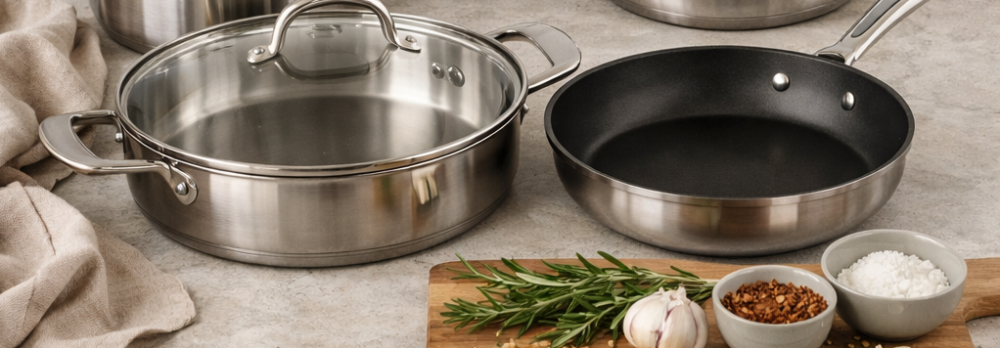
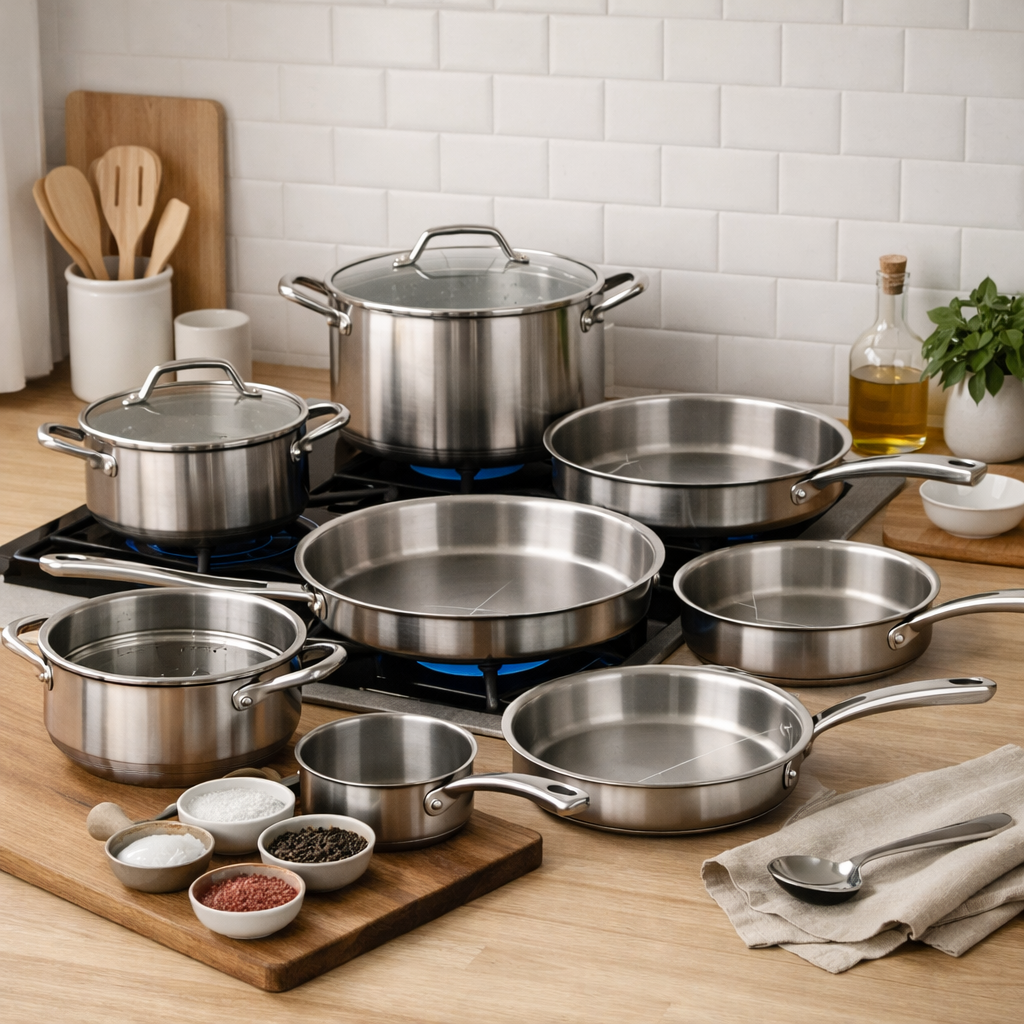
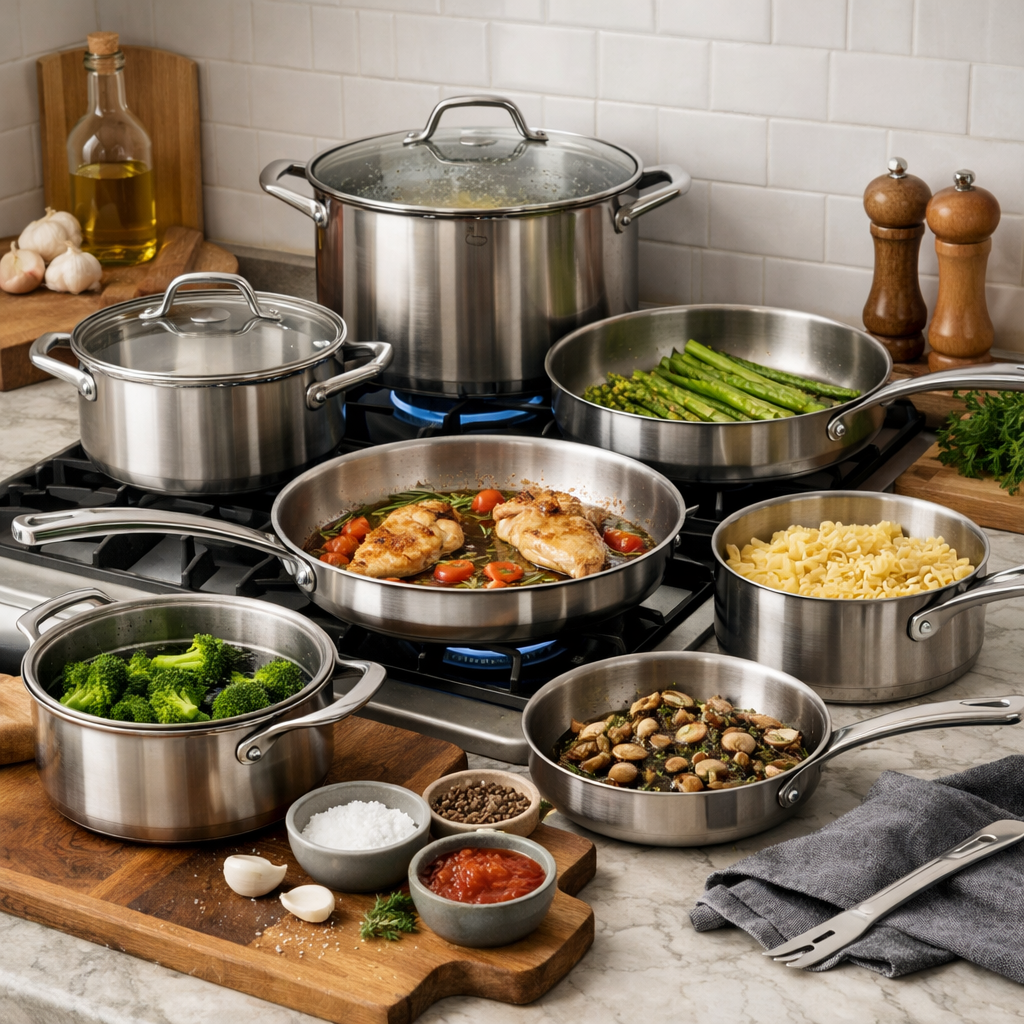
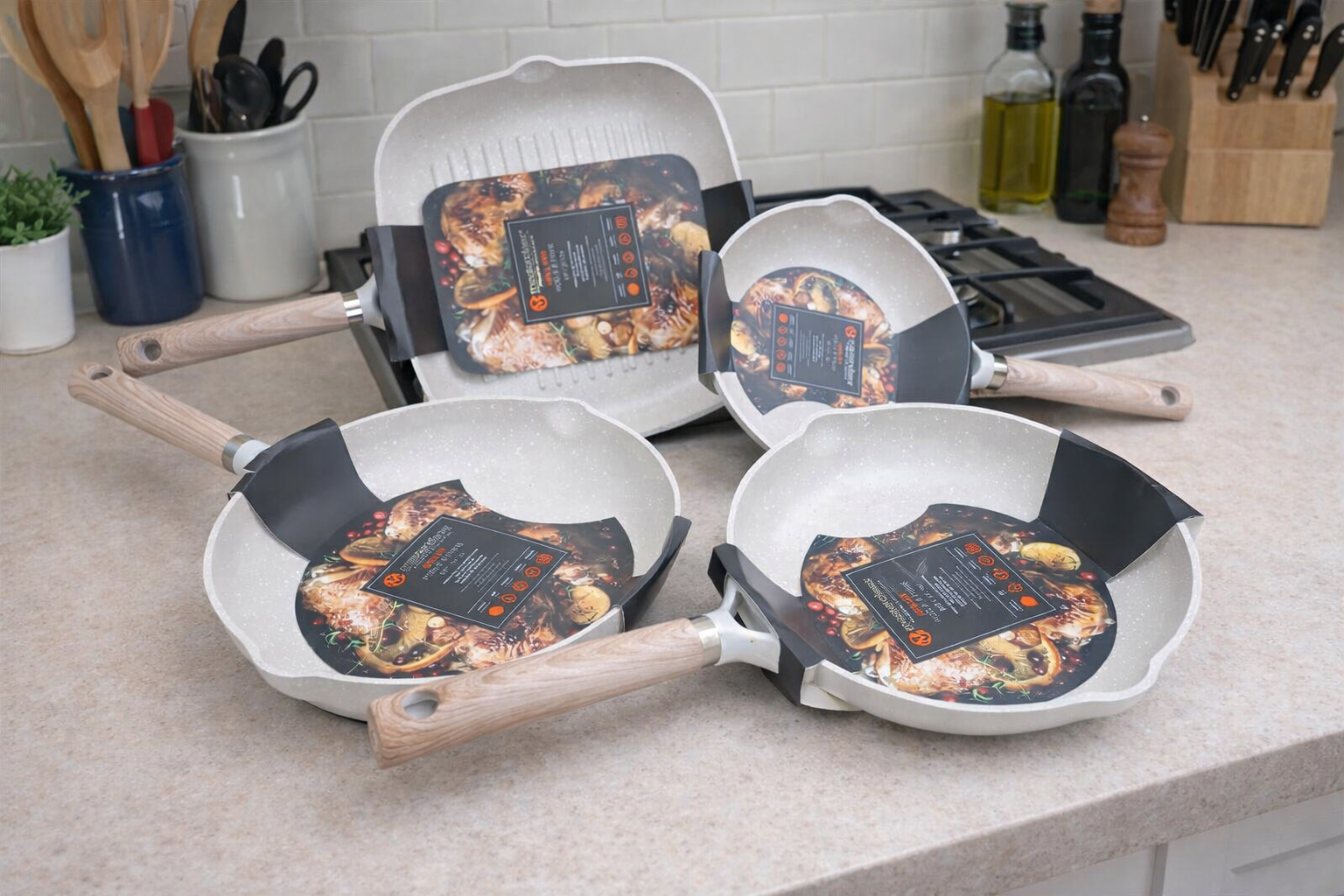
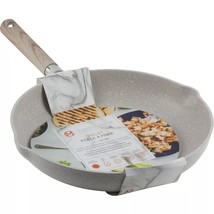
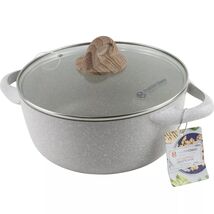
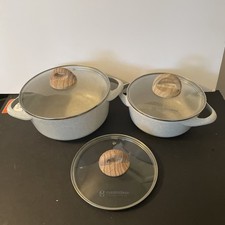
Is MasterClass Premium cookware different from regular MasterClass cookware? MasterClass Premium cookware typically refers to higher-end lines within the MasterClass range, often featuring improved coatings, better construction, and enhanced durability compared to entry-level options.
Why do people search for MasterClass cookware instead of KitchenCraft? MasterClass is a product line under KitchenCraft, and most users recognize the cookware by its product branding rather than the parent company.
Is MasterClass cookware considered premium or budget? It sits in the affordable premium segment, offering better quality than budget cookware without reaching high-end pricing.
Is MasterClass Premium cookware the same across all countries? Core designs are consistent, but availability of specific collections may vary by region.
Which MasterClass cookware line is the best value for money right now? Nonstick and induction-compatible lines usually provide the best balance between price, performance, and versatility.
Is it better to buy a MasterClass cookware set or individual pieces? Sets offer better value per item, while individual pieces allow more customization based on cooking habits.
What is the most popular MasterClass cookware item? Frying pans are typically the most popular due to their versatility in everyday cooking.
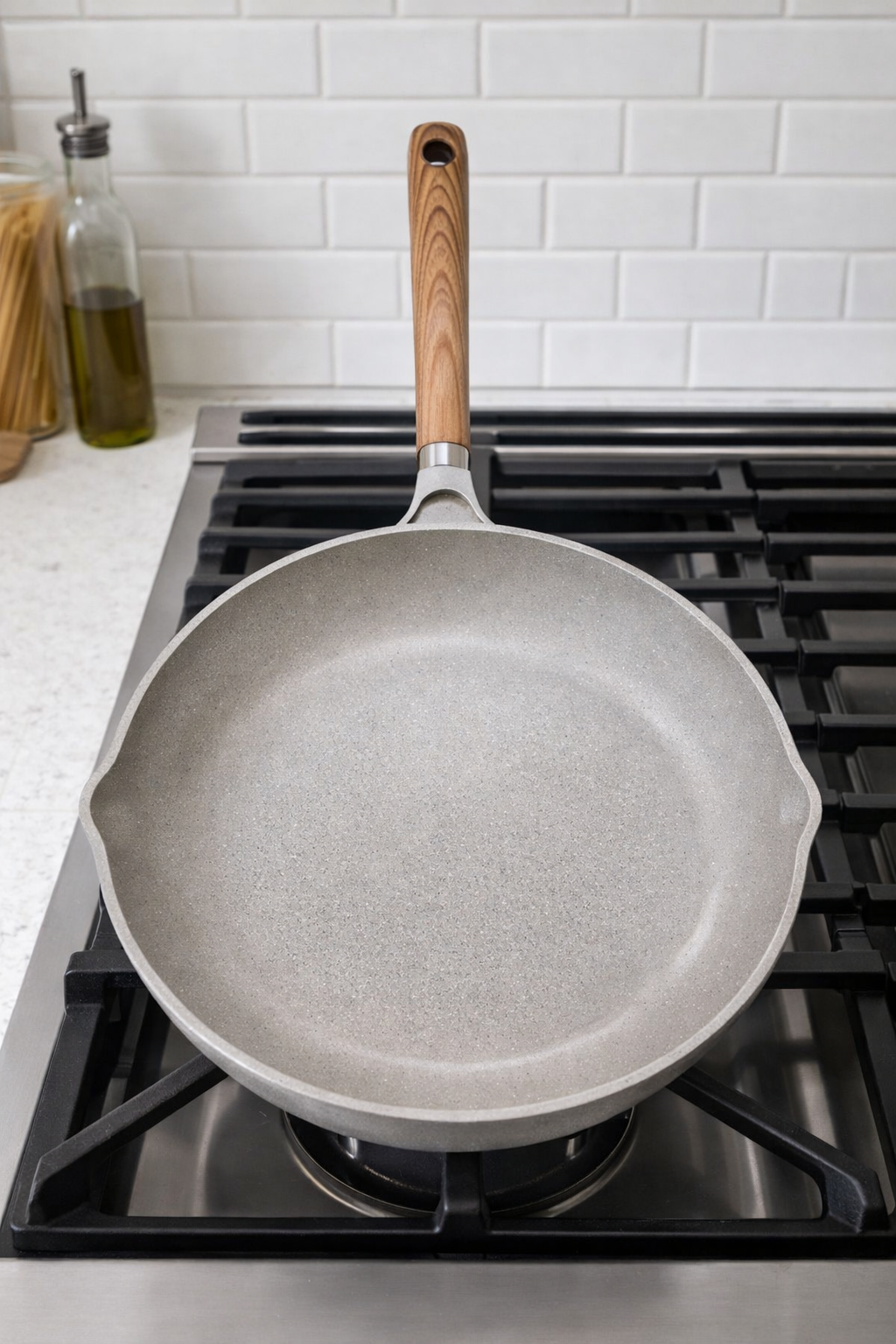
Are larger MasterClass pans better for daily cooking? Larger pans like 28cm are more versatile, but smaller sizes are better for single portions or limited space.
Will MasterClass cookware feel lightweight or heavy in hand? Most pieces are designed to be lightweight for everyday convenience, especially compared to cast iron.
Does MasterClass cookware feel premium when used? It feels solid and well-balanced for its price range, though not as heavy-duty as professional cookware.
Will the nonstick coating last long with regular use? It lasts well with proper care, but like all nonstick coatings, it will gradually degrade over time.
Is MasterClass cookware a good long-term investment? It is suitable for medium-term use rather than lifetime durability.
Do you need oil when cooking with MasterClass nonstick pans? Only a small amount is needed, making it suitable for low-oil cooking.
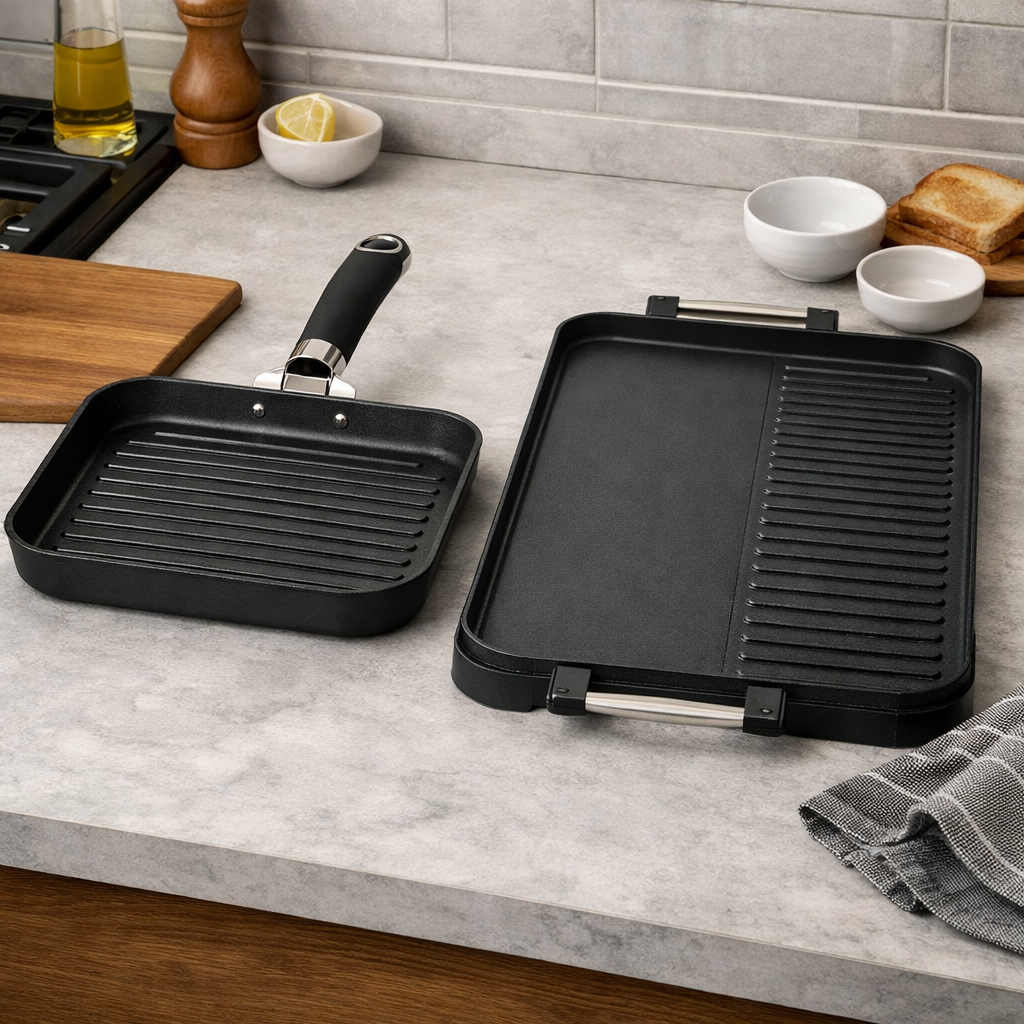
Does food brown well in MasterClass cookware? Yes, but nonstick surfaces are better for gentle cooking rather than deep searing.
Can you cook multiple foods at once in MasterClass pans? Yes, especially in larger pans that provide enough surface area.
Does the pan heat up quickly or slowly? Aluminum-based construction allows for relatively fast heating.
How do you prevent sticking in MasterClass cookware over time? Avoid high heat, use gentle cleaning methods, and do not use metal utensils.
Why does nonstick performance decrease over time? Repeated heating and cleaning gradually break down the coating.
Can overheating damage MasterClass cookware? Yes, excessive heat can reduce coating lifespan and affect performance.
How can you avoid scratching the surface? Use silicone or wooden utensils and avoid abrasive cleaning tools.
Should you wash MasterClass cookware before first use? Yes, washing before first use helps remove any manufacturing residues.
Is seasoning required for MasterClass cookware? Most nonstick pans do not require seasoning, but light oiling can help maintain performance.
How often should you replace MasterClass cookware? Replacement depends on wear, especially when the nonstick coating becomes ineffective.
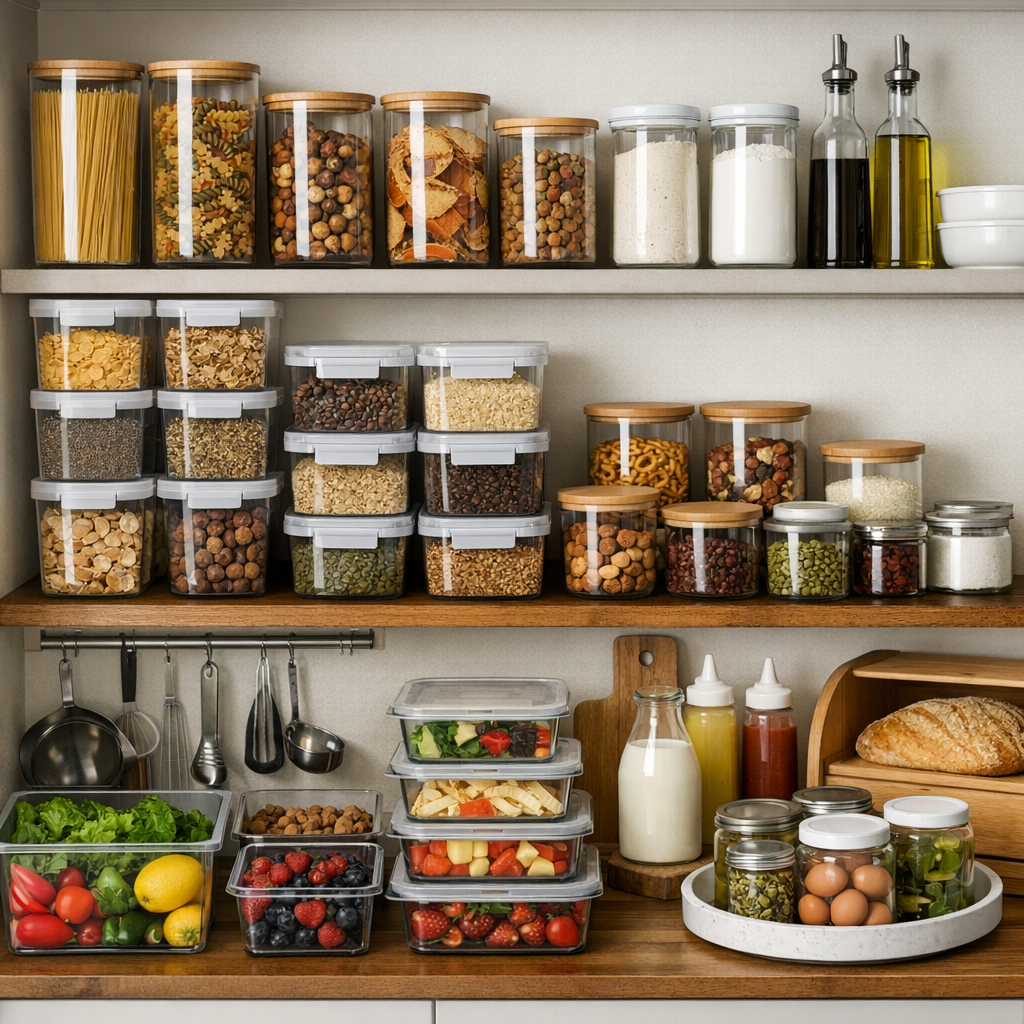
Can you stack MasterClass cookware for storage? Yes, but it is recommended to use protective layers to prevent scratches.
Does MasterClass cookware release fumes when overheated? Like most nonstick cookware, overheating may release fumes, so moderate heat is recommended.
Is ceramic MasterClass cookware safer than nonstick? Both are safe when used correctly, but ceramic coatings are often perceived as more natural.
Is MasterClass cookware safe for daily use? Yes, it is designed specifically for everyday cooking.
Is MasterClass cookware closer to budget or premium brands? It sits between the two, offering better quality than budget options while remaining affordable.
Does MasterClass cookware perform like high-end brands? It delivers good everyday performance but may not match the durability of premium cookware.
Is MasterClass cookware a good alternative to expensive cookware? Yes, especially for users who prioritize value over long-term investment.
What is the best way to use MasterClass cookware every day? Use moderate heat, minimal oil, and proper cleaning methods to maintain performance.
Can MasterClass cookware handle daily cooking routines? Yes, it is designed specifically for everyday kitchen use.
Is MasterClass cookware good for quick meals? Yes, fast heating and nonstick surfaces make it ideal for quick cooking.
Does MasterClass cookware work well in small kitchens? Yes, especially compact sets and stackable designs like Smart Space.
Is MasterClass cookware suitable for families? Yes, larger pans and sets are ideal for cooking multiple portions.
Can MasterClass cookware be used for meal prep? Yes, it supports batch cooking and reheating.
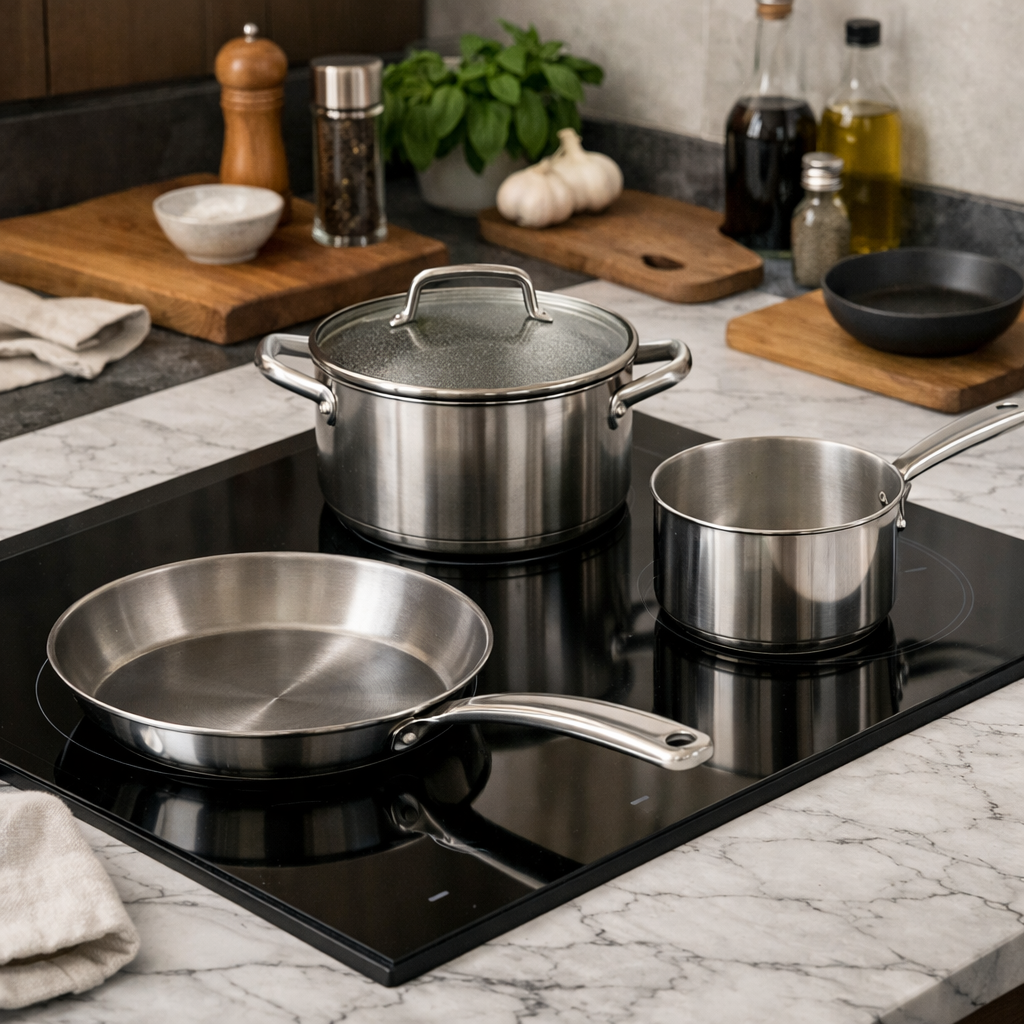
Is your cookware induction compatible? Most of our MasterClass Premium cookware is induction-compatible thanks to an encapsulated steel base and works on all induction cooktops. A few items in the entire range do not have this base—please always check the respective product description. Look for the induction coil symbol in the description. The cookware heats up quickly, heat distribution is even, and the temperature can be precisely controlled.
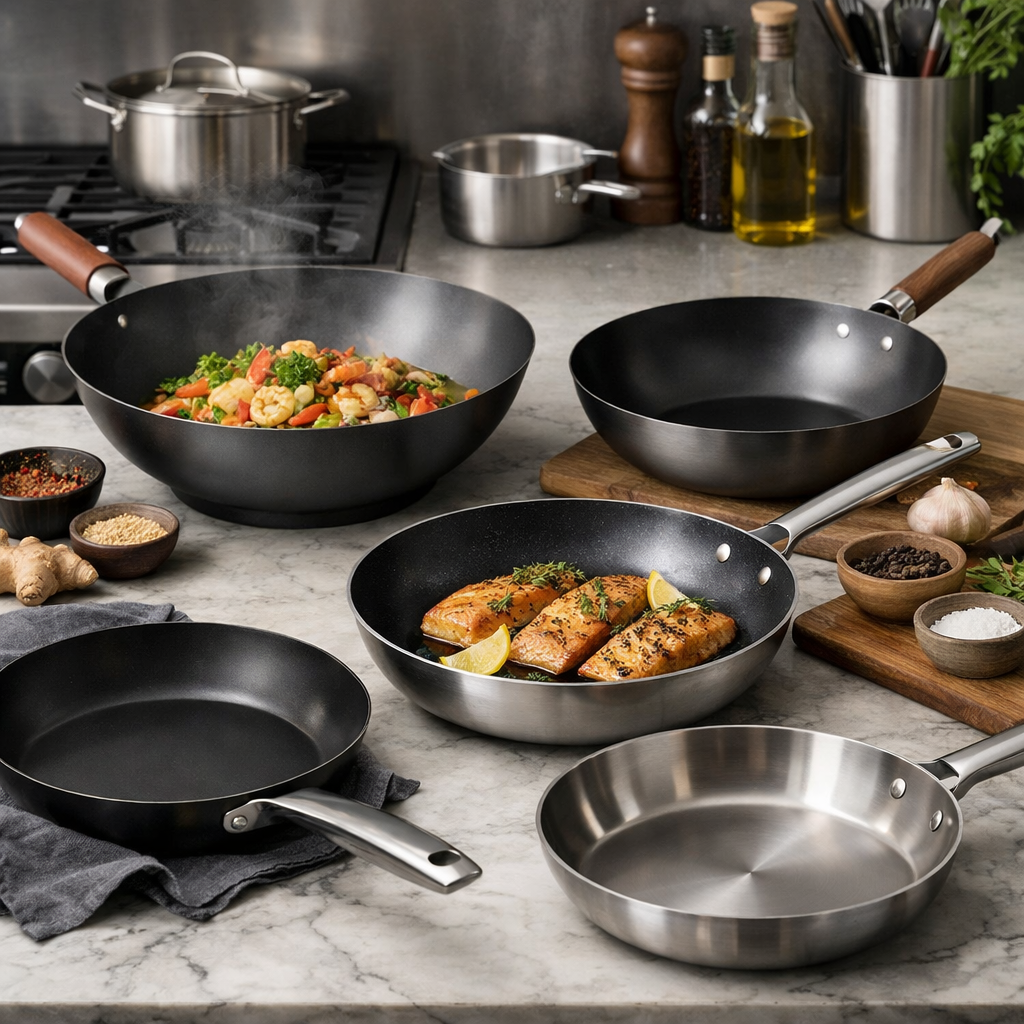
What’s the difference between your nonstick and ceramic collections? Our nonstick collection uses multi-layer PTFE — more durable, 3–5 year lifespan with proper care. Our ceramic collection uses sol-gel coating with no PTFE — completely fluoropolymer-free, excellent initial release, but more sensitive to heat and abrasion, typically lasting 2–3 years. Choose ceramic if you want to avoid PTFE entirely. Choose PTFE nonstick if longevity is the priority.
Is your cookware PFOA-free? Is it safe? Yes and yes. Every product we make is PFOA-free — PFOA is banned from cookware production in the US, EU, and UK. PTFE is a separate substance that is chemically inert and safe at all normal cooking temperatures. Our ceramic range contains no PTFE at all — no cadmium, no lead either. Every product we sell meets US and international food safety standards.
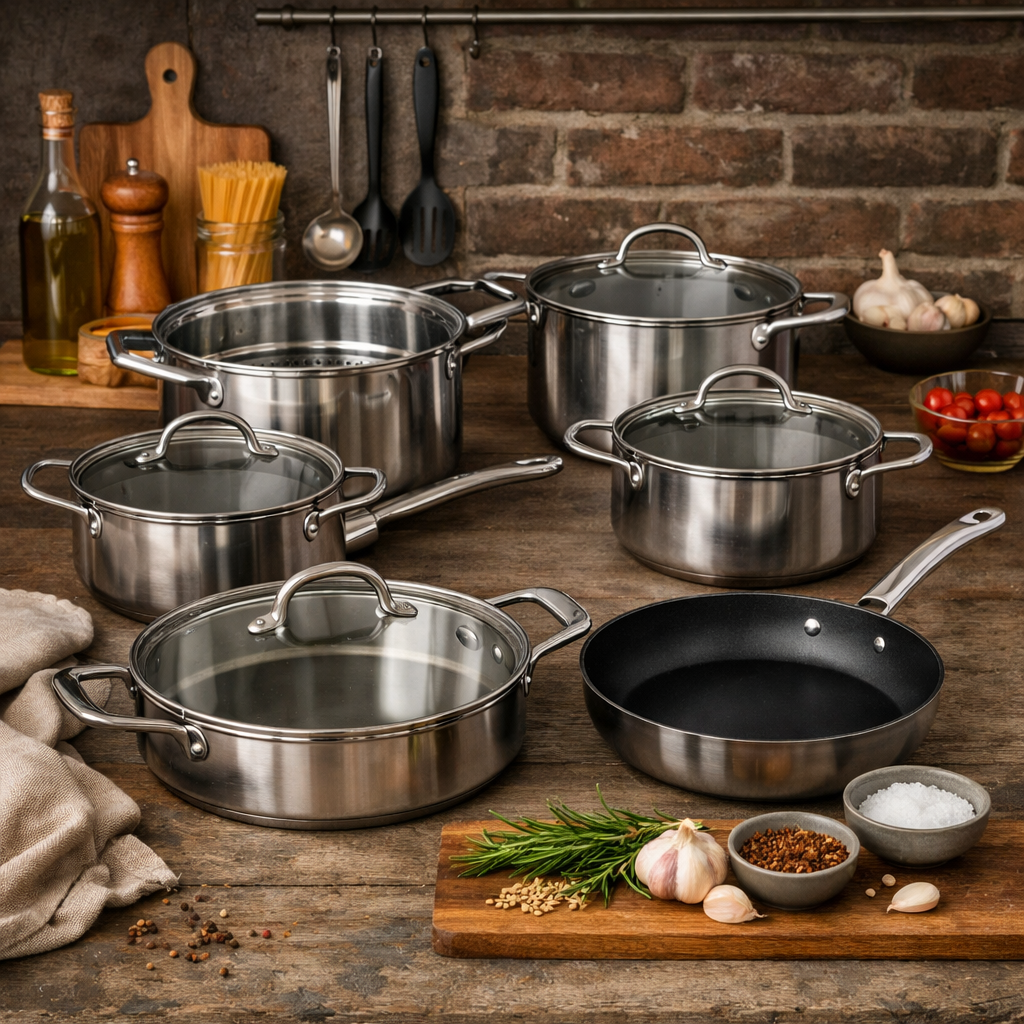
Can your pans go in the dishwasher? Our stainless steel range is fully dishwasher safe. For our nonstick and ceramic products, we strongly recommend hand washing — even when a label says dishwasher safe. Alkaline dishwasher detergents cause gradual coating degradation that significantly shortens lifespan. Warm water, a drop of dish soap, and a soft sponge is all our nonstick pans need. About 90 seconds per wash — and it makes a real difference to how long the coating performs.
How long will your nonstick coating last? With proper care — hand washing, silicone utensils, medium heat — 3–5 years for PTFE, 2–3 years for ceramic. The single biggest factor is whether the pan is hand washed or dishwashed. Metal utensils and high heat are the next biggest causes of early wear. Our stainless range has no coating and therefore no replacement cycle.
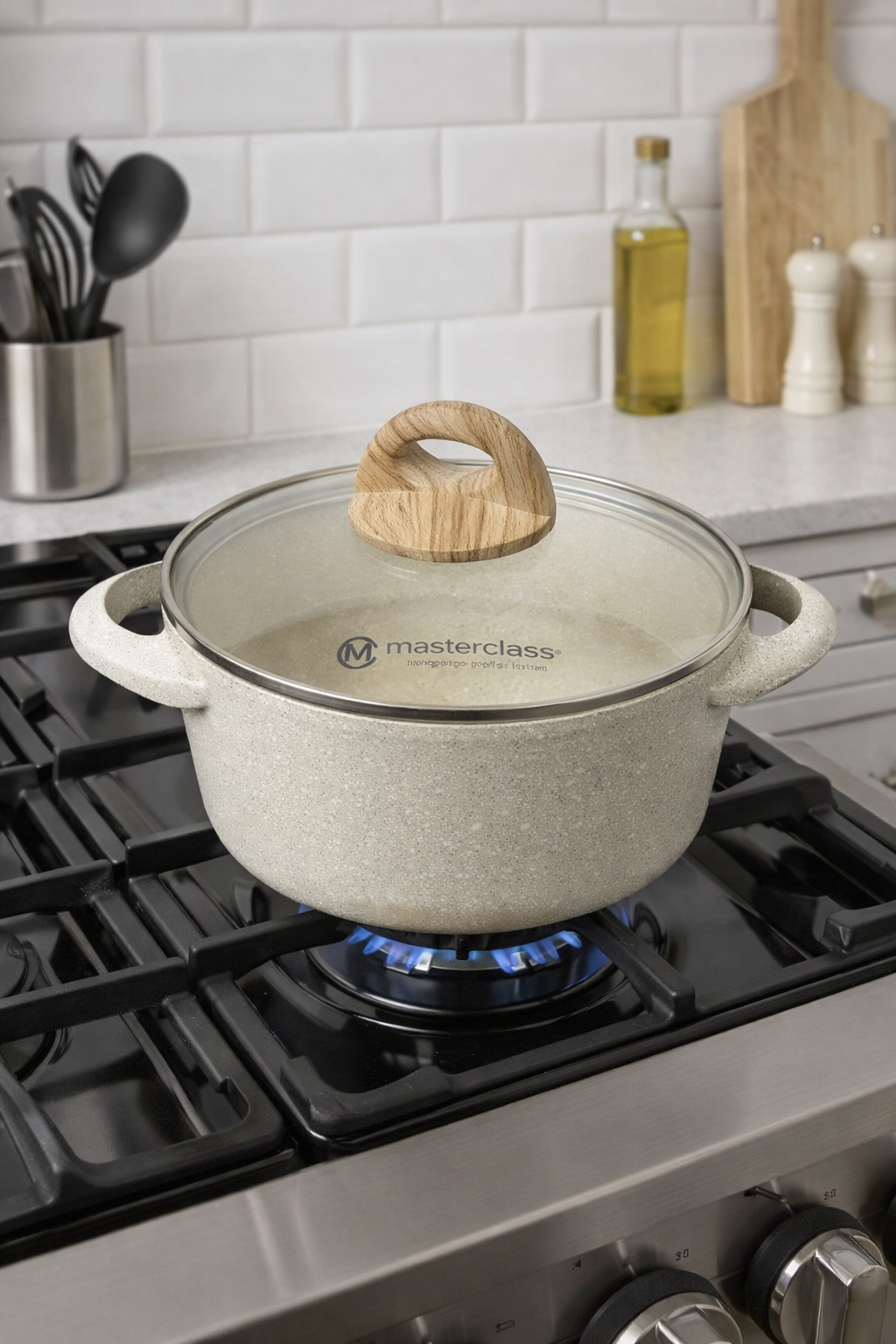
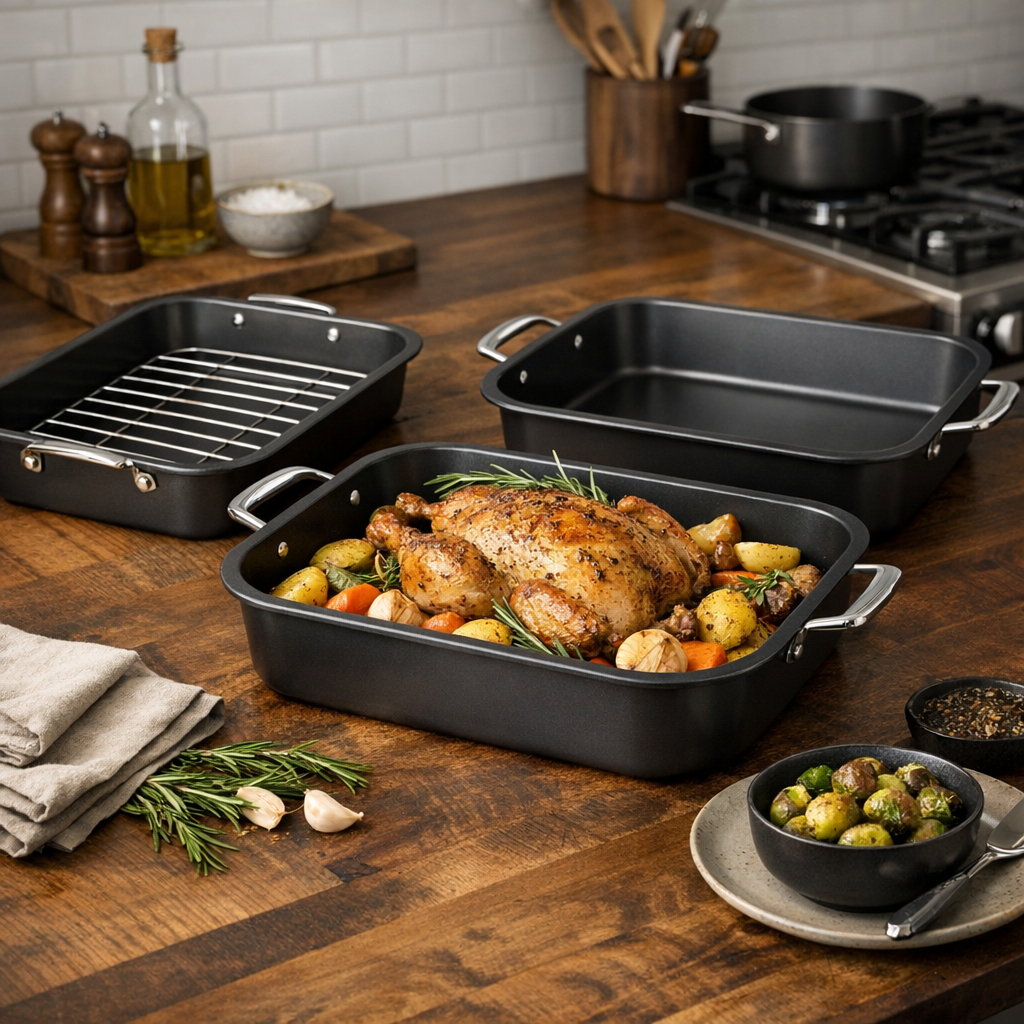
What cooktops does your cookware work on? Our Premium range works on all cooktop types: induction, gas, electric, and glass-ceramic. Oven compatibility depends on handle material — silicone handles up to 425°F, phenolic handles up to 320°F, stainless with metal handles up to 475°F+. Always verify the temperature limit for your specific product before oven use — it varies across the range.
Who makes MasterClass cookware? MasterClass is a brand within the KitchenCraft family, part of the Meyer Group — a major global cookware manufacturer that also produces Circulon, Anolon, and Farberware. KitchenCraft was established in Birmingham, England in 1850. Our cookware is designed in the UK and manufactured in Asia, which is standard for all mainstream cookware at this price point globally.
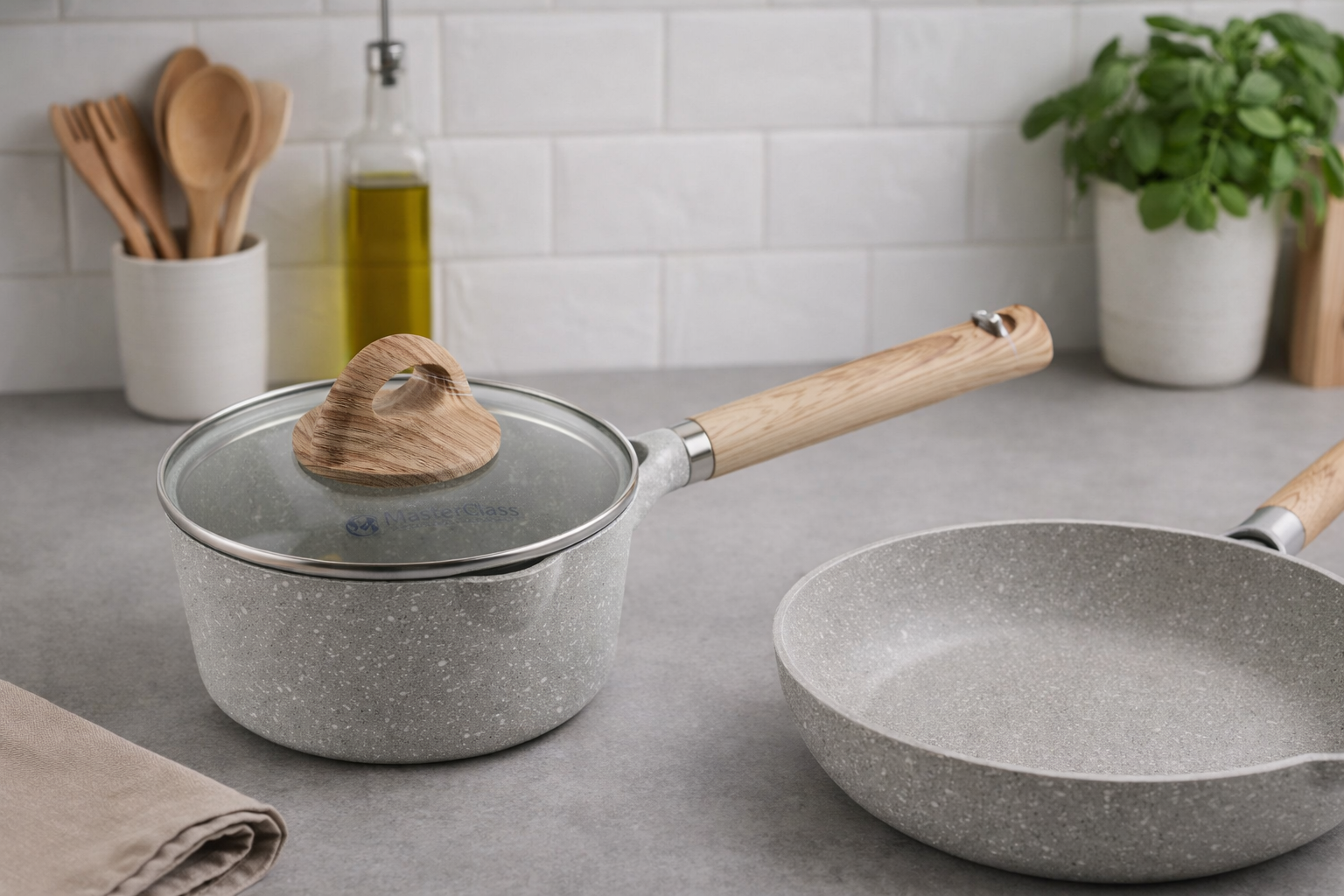
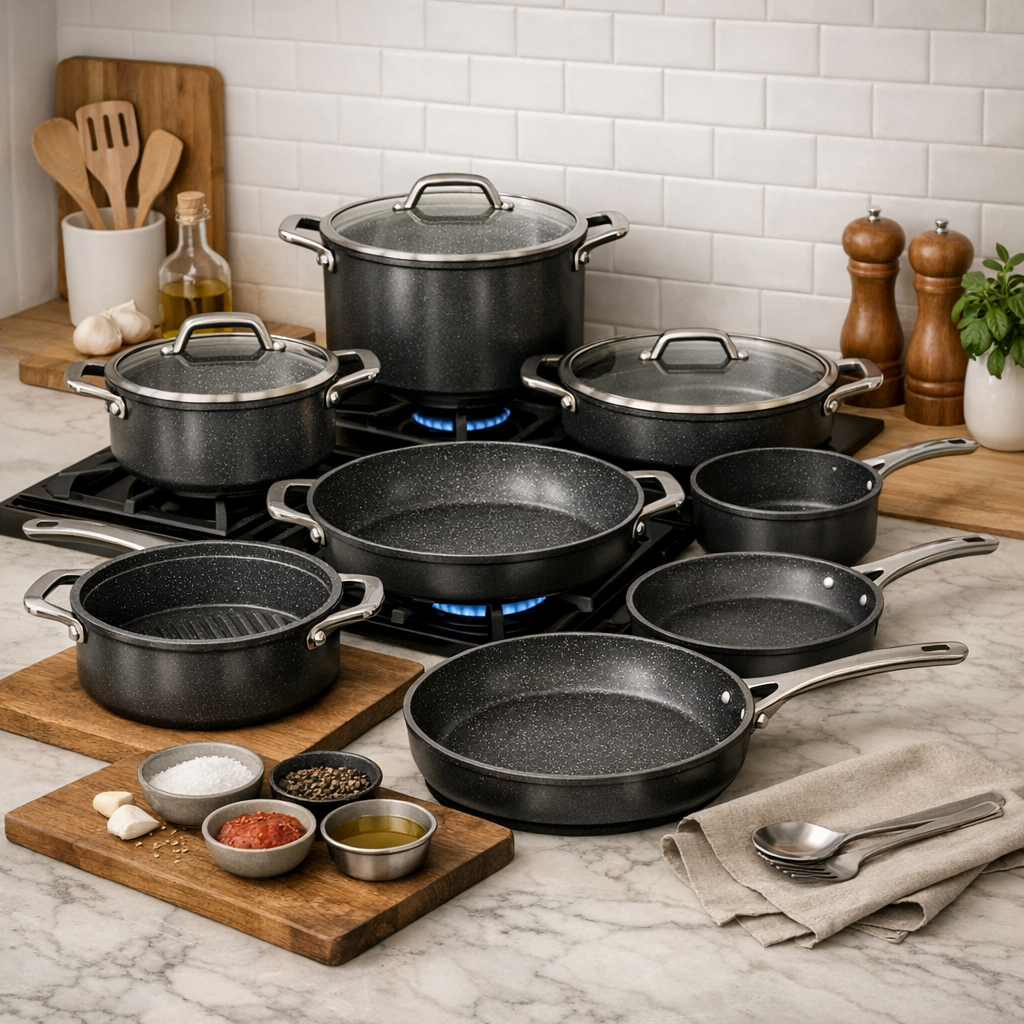
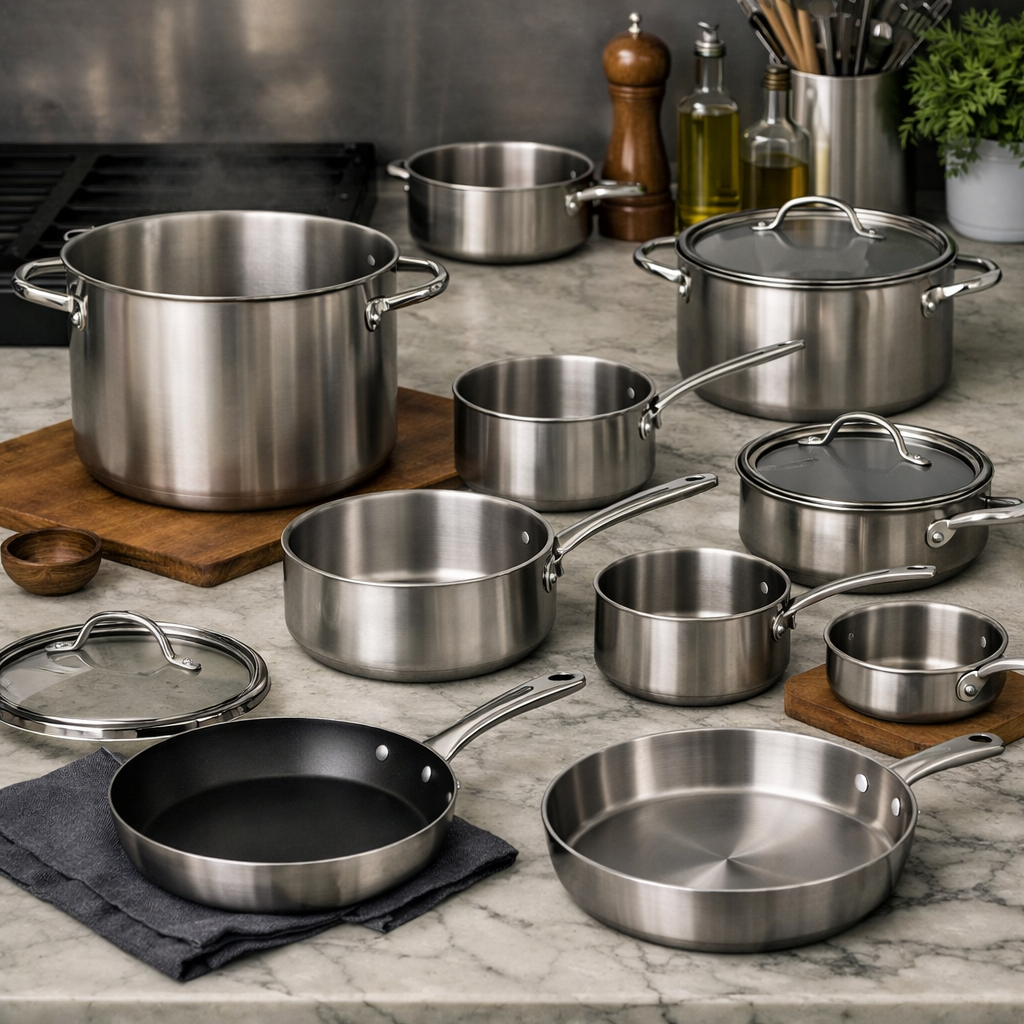
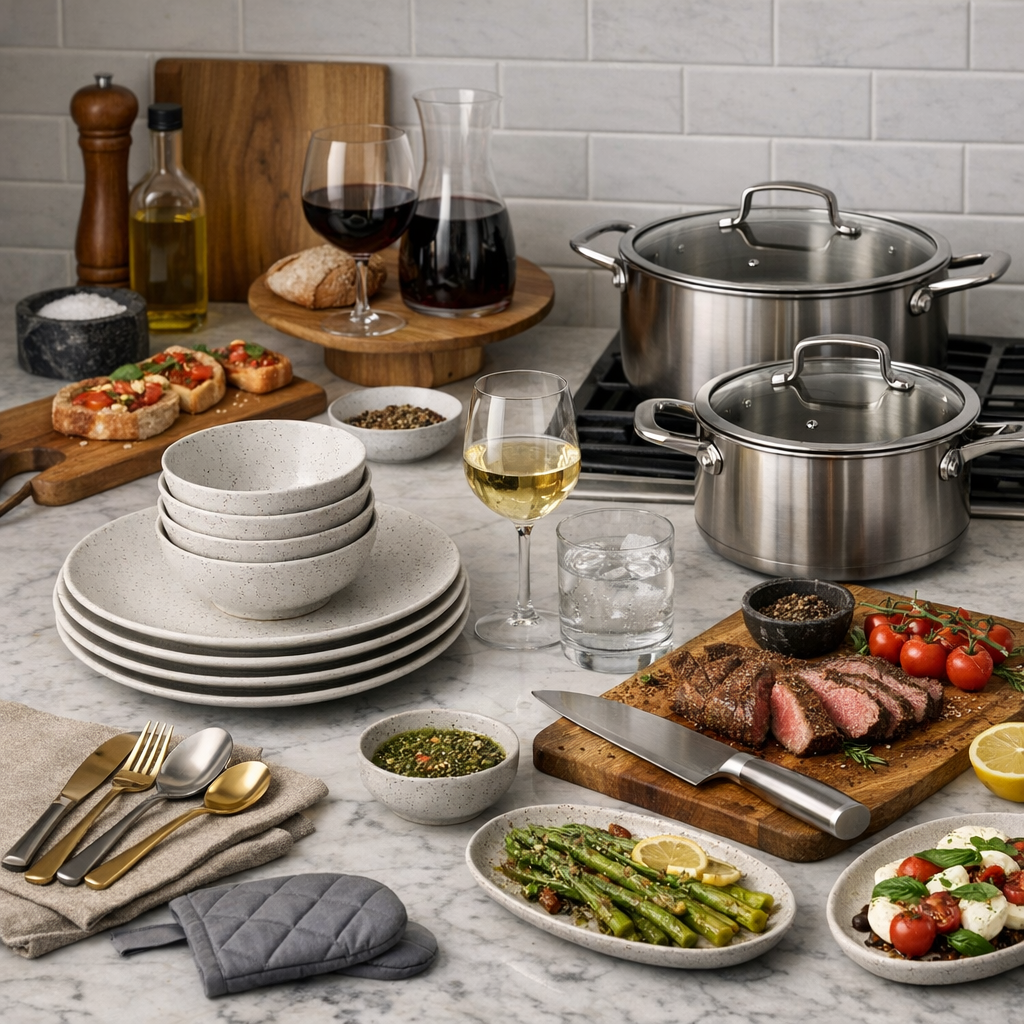
Which MasterClass set should I buy? Our 5-piece nonstick set is the best-value starting point for most households — typically includes two frying pans and two or three saucepans. If budget is tight, start with a 10″ frying pan and a 2-quart saucepan — those two pieces cover about 80% of everyday cooking. Add a saute pan when you feel you need it. And if you can time a purchase around a sale, sets often drop 25–40%.
Can I use metal utensils in your nonstick pans? We’d ask you not to. Metal spatulas, spoons, and tongs scratch the coating surface progressively — not always visibly at first, but causing noticeable degradation within months of regular use. Silicone, nylon, or wooden utensils protect the surface and are every bit as functional. This applies to every nonstick pan made by every manufacturer — it’s a property of the coating, not something specific to our products.
Is MasterClass cookware good for beginners? We genuinely think so. Our nonstick surfaces are forgiving when you’re still learning heat management. The thick base prevents hot spots that burn food. The pans are light enough to handle comfortably. Cleanup is straightforward. Our sets give you everything you need without having to research individual pieces. We designed this range to make daily cooking easier — and that applies whether you’re cooking for the first time or the ten thousandth.